

Trauma & PTSD Therapy in New York, South Carolina, & Florida
If you never feel truly settled, therapy can help
You may look “fine” on the outside, but inside, you feel on edge, disconnected, or exhausted. Trauma can follow a single overwhelming event or build slowly over time through repeated stress. It affects how you think, sleep, trust, react, and connect with others.
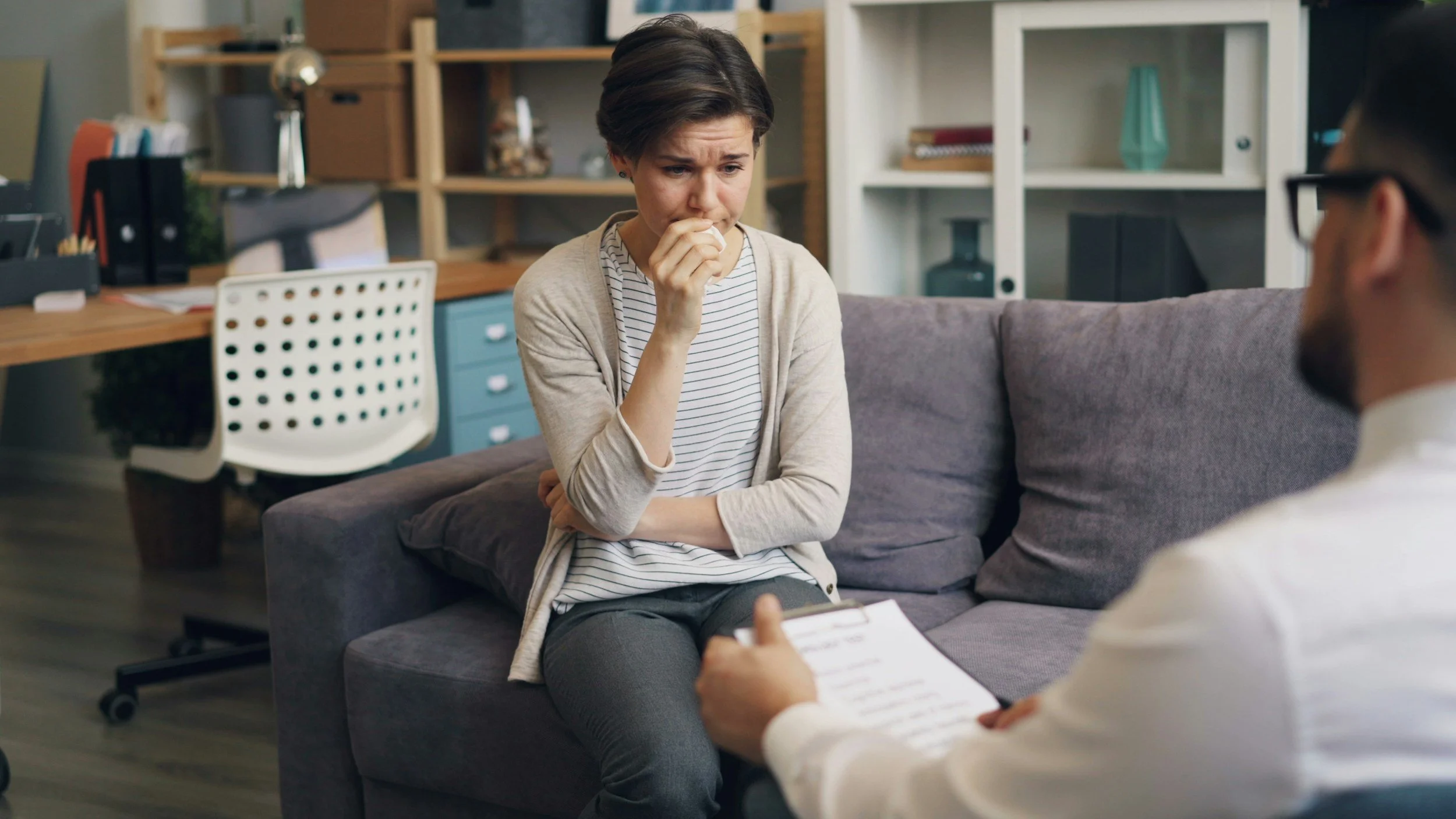
How Trauma affects the mind & Body
Trauma occurs when an experience overwhelms your ability to cope, creating fear, helplessness, or a loss of control. After the traumatic experience or event has passed, sometimes years or even decades after, the body may continue reacting as if danger is still present.
Common trauma responses include:
Feeling constantly “on edge” or hyper-alert
Intrusive memories or flashbacks
Nightmares or disrupted sleep
Emotional numbness or disconnection
Irritability or sudden mood shifts
Difficulty concentrating
Avoiding reminders of the event
Physical symptoms like headaches, muscle tension, or stomach issues
These are not signs of weakness. They are proof your nervous system adapted to survive.
What PTSD Can Look Like
For some individuals, trauma can develop into Post-Traumatic Stress Disorder (PTSD). These symptoms may persist for months or even years, interfering with daily functioning, relationships, and emotional stability. PTSD is often connected to a single traumatic event or a brief period of intense trauma. By contrast, Complex PTSD (C-PTSD) is associated with prolonged or repeated exposure to similar traumatic experiences, especially when the person had little or no control over them.
You do not need a formal diagnosis to deserve support. If trauma is impacting your life, that is enough.

How Trauma Therapy Helps
Healing from trauma is not about forcing yourself to relive painful experiences. It is about creating safety, restoring control, and helping your nervous system recalibrate.
In trauma-informed counseling, we focus on:
Establishing emotional safety
Strengthening grounding and regulation skills
Processing traumatic memories at a manageable pace
Reducing triggers and reactivity
Rebuilding trust in yourself and others
Addressing anxiety, depression, or eating concerns that often coexist
Our approach is structured, compassionate, and evidence-based. You move at a pace that feels safe.
You do not have to stay stuck in survival mode
Many people wait until their symptoms feel “bad enough.” But the earlier treatment begins, the better the outcomes can be.
Many clients notice over time:
Improved emotional regulation
Fewer intrusive memories
Better sleep
Stronger relationships
Increased self-trust
A greater sense of stability and calm
Before symptoms are overwhelming, reach out.